Gut health has become one of the most talked-about wellness topics in recent years, and for good reason. Researchers continue to learn more about the connection between the digestive system and overall well-being. While many people focus on fitness routines and weight management goals, the health of the gut plays an important role in how the body functions every day.
The gut is home to trillions of microorganisms, including bacteria, fungi, and other microbes that make up what is often called the gut microbiome. These microorganisms work together to support digestion, nutrient absorption, immune function, and many other important processes. When the gut microbiome is balanced, it can contribute to a healthier lifestyle and improved daily comfort.
The good news is that supporting gut health does not require extreme diets or complicated routines. In many cases, small and sustainable nutrition changes can make a meaningful difference over time.
Why Gut Health Matters
The digestive system does much more than process food. It helps break down nutrients that the body uses for energy, growth, and repair. The gut also interacts closely with the immune system, which is one reason many health experts emphasize maintaining a healthy digestive environment.
A balanced gut microbiome may help support efficient digestion and contribute to overall wellness. While every individual is different, many people find that paying attention to nutrition choices helps them feel more energized and comfortable throughout the day.
Because the gut is influenced by everyday habits, making thoughtful food choices can be an effective way to support long-term health goals.
Eat More Fiber-Rich Foods
One of the simplest nutrition changes for supporting gut health is increasing dietary fiber intake. Fiber serves as a food source for beneficial gut bacteria, helping them thrive.
Many Americans fall short of recommended daily fiber intake. Adding more fiber-rich foods to meals can be a practical step toward better digestive wellness.
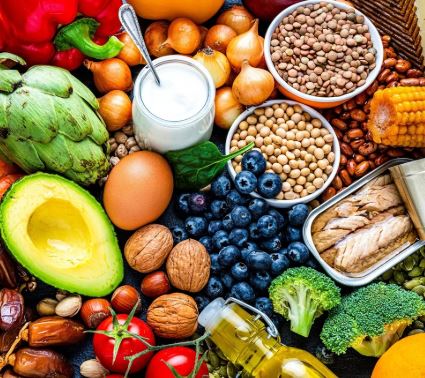
Some excellent sources of dietary fiber include fruits, vegetables, whole grains, beans, lentils, nuts, and seeds. Foods such as oats, apples, berries, broccoli, chickpeas, and brown rice can easily fit into a balanced eating plan.
When increasing fiber intake, it is often helpful to make gradual adjustments and drink adequate water throughout the day. This approach may help the digestive system adapt more comfortably.
Include a Variety of Plant Foods
Research continues to highlight the value of dietary diversity. Eating a wide range of plant-based foods can introduce different nutrients and natural compounds that help support a healthy gut environment.
Instead of eating the same foods every day, consider rotating fruits, vegetables, legumes, whole grains, herbs, and nuts throughout the week. Different plants contain unique nutrients that contribute to overall dietary quality.
Colorful meals can be a simple way to encourage variety. For example, combining leafy greens, orange vegetables, berries, whole grains, and beans can provide a broad spectrum of beneficial nutrients.
A varied diet not only supports nutritional balance but also helps create more enjoyable and satisfying meals.
Add Fermented Foods When Appropriate
Fermented foods have gained popularity as part of discussions about gut health. These foods are created through natural fermentation processes and may contain beneficial microorganisms.
Common fermented foods include yogurt with live cultures, kefir, sauerkraut, kimchi, miso, and certain fermented vegetables.
Including fermented foods as part of a balanced eating pattern may help support microbial diversity in the digestive system. However, individuals have different preferences and dietary needs, so it is important to choose options that fit comfortably into their lifestyle.
When selecting packaged fermented products, reading labels can help identify products that contain live cultures and minimal added sugars.
Reduce Excess Added Sugar
Many processed foods and beverages contain significant amounts of added sugar. While enjoying treats occasionally can be part of a balanced lifestyle, excessive sugar intake may not support overall wellness goals.
Simple adjustments can make a difference. Replacing sugary beverages with water, sparkling water, or unsweetened tea is one practical strategy. Choosing whole fruits instead of highly processed desserts can also help reduce added sugar consumption while providing valuable nutrients and fiber.
Small changes made consistently often produce better long-term results than highly restrictive approaches.
Stay Hydrated
Hydration plays an important role in digestive health. Water helps move food through the digestive tract and supports many normal bodily functions.
Many people focus exclusively on food choices while overlooking hydration habits. Drinking enough water throughout the day can complement other healthy lifestyle practices.
Hydration needs vary depending on activity level, climate, age, and individual circumstances. Paying attention to thirst signals and maintaining regular fluid intake can help support daily wellness.
Foods with high water content, such as cucumbers, watermelon, oranges, and lettuce, can also contribute to overall hydration.
Choose Whole Foods More Often
Whole foods generally undergo less processing and often contain naturally occurring nutrients that support a balanced diet.
Building meals around vegetables, fruits, whole grains, lean proteins, legumes, and healthy fats can help create a strong nutritional foundation. These foods often provide fiber, vitamins, minerals, and other beneficial compounds that contribute to digestive wellness.
Rather than focusing on strict food rules, many nutrition experts encourage emphasizing whole foods more frequently while allowing flexibility for personal preferences and social occasions.
This balanced mindset can make healthy habits easier to maintain over time.
Practice Mindful Eating
Nutrition is not only about what people eat but also how they eat. Eating meals in a rushed or distracted manner may affect the overall dining experience.
Mindful eating encourages individuals to slow down, pay attention to hunger and fullness cues, and enjoy food without unnecessary distractions.
Taking time to chew thoroughly and appreciate meals can support a more positive relationship with food. Many people find that mindful eating helps them become more aware of their dietary choices and eating patterns.
Creating a calm mealtime environment may be a simple yet valuable addition to a healthy lifestyle routine.
Consistency Matters More Than Perfection
One of the most important lessons about gut health is that consistency often matters more than perfection. A single healthy meal will not transform digestive wellness overnight, just as an occasional indulgence is unlikely to undo long-term healthy habits.
Sustainable nutrition changes tend to be the most effective. Choosing fiber-rich foods, increasing plant variety, staying hydrated, and prioritizing whole foods can become manageable daily practices rather than temporary challenges.
Over time, these small choices can add up and contribute to a healthier lifestyle.
Final Thoughts
Understanding gut health does not have to be complicated. While scientific research continues to evolve, many foundational nutrition habits remain consistent. Eating more fiber-rich foods, enjoying a variety of plants, staying hydrated, choosing whole foods, and reducing excess added sugar are practical steps that can support overall wellness.